
3 hr
Pohatu Evening Penguin Conservation Experience
Witness little penguins at dusk while contributing to wildlife monitoring at a protected colony
Reserve
Hand-picked by our editors — 5 wildlife experiences from 12 reviewed
Verified partners for every tour, free cancellation where available, and instant confirmation on every booking.
3 hr
Witness little penguins at dusk while contributing to wildlife monitoring at a protected colony
Reserve
4 hr
Explore an award-winning conservation area by 4WD, meet little penguins, and enjoy stunning coastal views
Reserve
2 hr
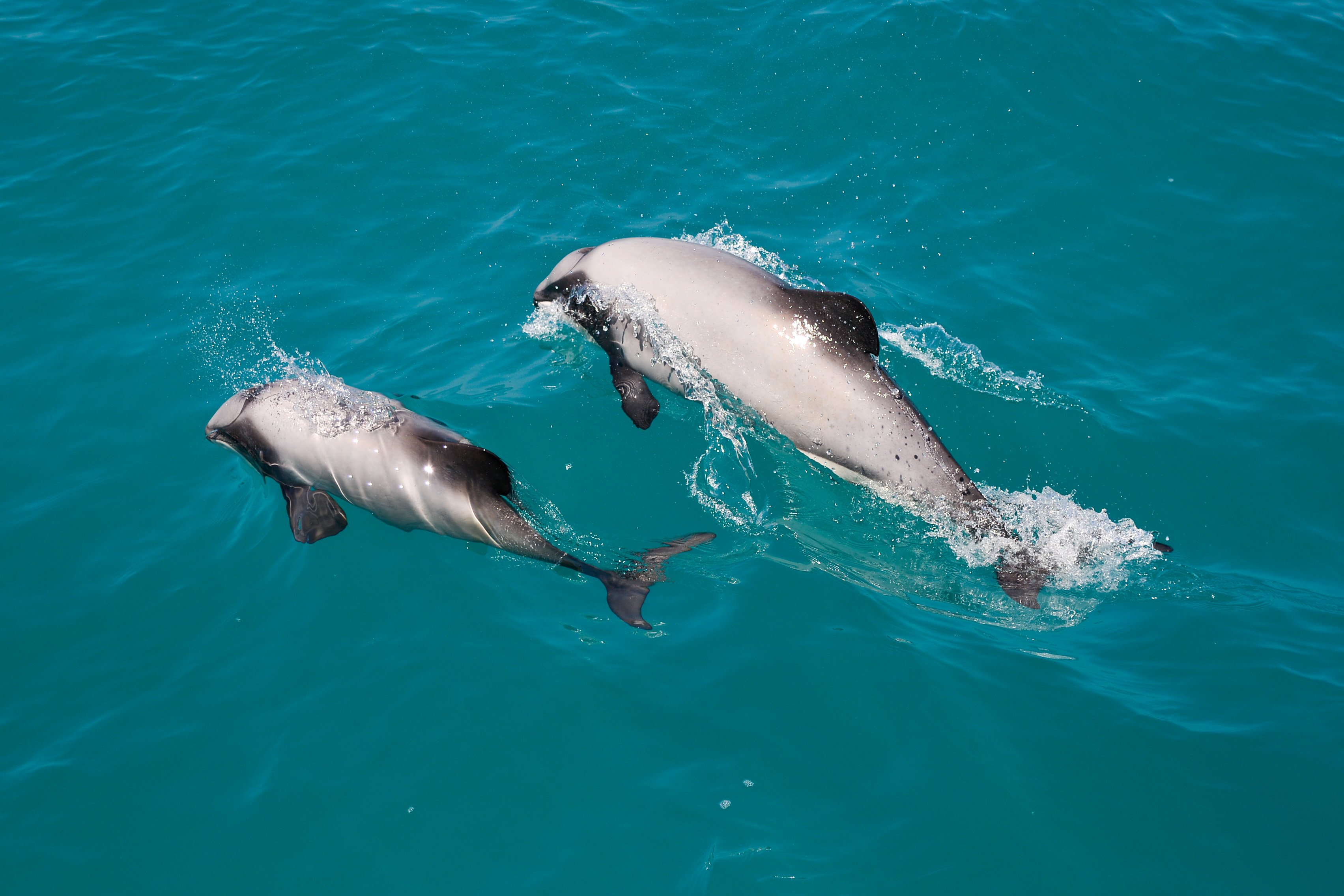
Sail alongside rare Hector's dolphins on a stable catamaran with expert crew and spotting dogs
ReservePrices from verified partners. Availability updates in real time at checkout. Free cancellation policies apply where shown.
The landmarks, rooms, and views travelers on this tour remember — all visible on a single visit.
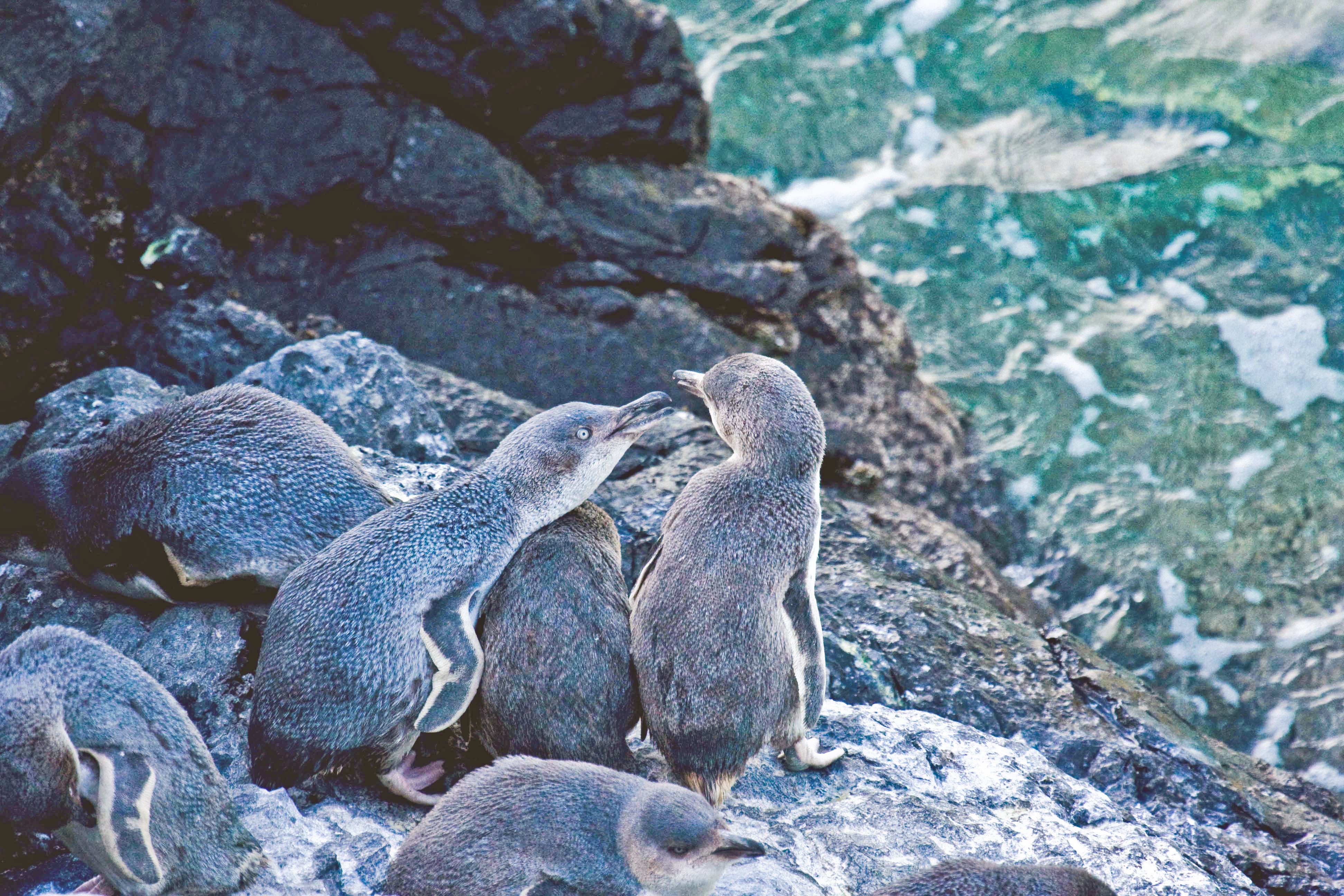
Observe the natural habitats where Little Penguins raise their chicks. These protected areas house one of the largest colonies on the mainland.
Take in views of the rugged Banks Peninsula coastline. This area provides a backdrop for the akaroa evening penguin tour activities.
Use the specialized hides to watch penguins without disturbing their path. These structures help maintain the safety of the birds during the akaroa evening penguin tour.
They complement each other; visitors seeking intimate encounters with ground-nesting birds prefer the akaroa evening penguin tour, while those desiring maritime mammal sightings favor harbour cruises. These akaroa evening penguin tour tours provide distinct perspectives on local ecology.
| Feature | Top pick Pohatu Penguins | Harbour Cruises |
|---|---|---|
Primary Wildlife Focus |
Little Penguins | Hector's Dolphins |
Environment |
Coastal colony | Open water |
Tour Type |
Guided land-based walk | Boat excursion |
Physical Activity Level |
Moderate walking | Low; seated |
Best Time of Day |
Dusk | Morning or afternoon |
Observation Method |
Wildlife viewing hide | Onboard viewing |
| See tickets → |
Verdict: Choose Pohatu for land-based conservation education or harbour cruises if you prefer aquatic mammal spotting via akaroa evening penguin tour tickets.
Choose your ticket, select your date, and reserve in under two minutes. Secure checkout handled by our verified partner.
Instant confirmation by email, with a mobile voucher you can save offline. No printing, no queuing at a collection desk.
Arrive at the entrance, show your voucher on your phone, and walk in. Most tickets include priority or skip-the-line access.
Practical details for your visit straight from our verified partners — hours, access, rules, and how to get there.
3/8 Rue Balguerie, Akaroa 7520
Confirm booking details before departure
Follow Rue Balguerie to the designated office. Parking is available in the Akaroa township nearby.
Wear sturdy footwear suitable for uneven, steep coastal terrain and tracks. Layers are recommended as Akaroa evening penguin tour weather conditions change rapidly near the ocean.
Keep bags compact to ensure ease of movement during the walking portions of the akaroa evening penguin tour. All personal items must be carried by participants throughout the excursion.
Photography is permitted without flash to protect the Little Penguins. Turn off all artificial lighting on cameras and mobile devices during the akaroa evening penguin tour.
The terrain is rugged and involves walking on steep, unpaved tracks. Those with limited mobility should contact the office directly before booking the akaroa evening penguin tour.
Mobile phones must be set to silent mode upon arrival at the colony. Do not use phone screens or lights while watching the penguins.
The akaroa evening penguin tour is suitable for children who can manage walking on uneven surfaces for an extended period. Ensure all minors remain quiet and supervised near nesting areas.
No food or drink is available for purchase at the colony site. Carry enough water for your duration on the akaroa evening penguin tour.
Pets are strictly prohibited at the colony to ensure the safety of the wildlife. No animals are allowed on the property during any akaroa evening penguin tour.
The colony is a conservation site focused on the protection of Little Penguins. Follow all guide instructions closely to minimize impact during the akaroa evening penguin tour.
3/8 Rue Balguerie, Akaroa 7520
Confirm booking details before departure
Get directionsBest time to go, insider tips, nearby landmarks, and the cancellation fine print — flip through to skim what matters to you.
How crowds, weather, and events shift across the year.
September to November offers active nesting periods. Temperatures remain cool, requiring warm layers for the evening.
December to February provides the longest days. This is the peak season for viewing the akaroa evening penguin tour activities.
March to May shows penguins finishing their molting phase. Crowds are significantly thinner during these months.
June to August is cooler but quiet. Penguins are less active on land during these colder months.
Small details that turn a good visit into a great one.
Secure your akaroa evening penguin tour tickets well in advance as group sizes are limited.
Minimize noise during the walk to the colony to avoid scaring the birds.
Follow all instructions provided by the staff to protect the wildlife habitat.
The coast gets windy and cold even in summer, so wear multiple layers.
The akaroa evening penguin tour proceeds in most weather, so bring appropriate rain protection.
Non-bookable sights within a short walk — free to visit, easy to pair.
A historic building offering views of the harbor.
Flexible, no hidden fees.
Cancellations made within 24 hours of the tour time are non-refundable. Please review your booking confirmation for full terms regarding the guided nature of the experience.
Hand-picked options within walking distance — pick a district for vibe, or a specific hotel for convenience.
Centrally located near the harbor.
New Zealand's little blue penguin stands just 25 centimetres tall and weighs less than a kilogram, yet undertakes daily ocean foraging missions that can span 25 kilometres. The species — known as kororā in te reo Māori — represents the world's smallest penguin, and Pohatu Marine Reserve on Banks Peninsula shelters one of the South Island's most significant breeding colonies. Francis and Shireen Helps established the private Pohatu conservation area in 1985 after recognising the critical need for predator management and habitat restoration. The colony's remote location on Flea Bay, accessible only through the Helps' farmland, has allowed controlled visitor engagement that funds ongoing pest trapping and nest monitoring. The reserve's significance extends beyond population numbers. Little blues face compound threats across their range: introduced predators including stoats and ferrets, habitat degradation from livestock, and climate-driven shifts in prey availability. Pohatu's intensive trapping network removes over 800 predators annually, while artificial nest boxes supplement natural burrows in the volcanic rock substrate. Research partnerships with Lincoln University and the Department of Conservation track breeding success, chick weights, and foraging patterns. Data collected here informs management protocols at penguin sites nationwide. Evening tours operate year-round, timed to the penguins' natural return schedule. During breeding season — August through February — adults arrive laden with fish for chicks concealed in coastal burrows. Winter months see pre-breeding courtship displays and territorial establishment. The volcanic headlands create sheltered landing zones where penguins navigate incoming swells before scrambling across rocky platforms. Guides position visitors at designated viewing stations that respect nest site buffers while allowing clear sightlines to arrival routes. The choreography unfolds without artificial lighting or barriers, governed entirely by the birds' instinctive timing. Conservation outcomes remain measurable. Pohatu's breeding pairs increased from 60 in 1985 to over 200 by 2026, a growth trajectory attributed to predator suppression and reduced human disturbance outside tour protocols. Fledging rates consistently exceed regional averages. The model — private land management coupled with structured ecotourism — demonstrates financial viability for wildlife conservation in pastoral landscapes. Revenue from penguin tours directly funds trap maintenance, veterinary care for injured birds, and habitat plantings that stabilise erosion-prone slopes above nesting areas.
"Pohatu's breeding pairs increased from 60 in 1985 to over 200 by 2026, a growth trajectory attributed to predator suppression and structured visitor protocols."
A step-by-step walkthrough of the visit — what you'll see, how long each stage takes, and the details that matter.
You leave Akaroa township by 4:30 PM, following the winding coastal road that traces Banks Peninsula's volcanic rim. The Pohatu access track descends through farmland toward Flea Bay, where the working sheep station meets the marine reserve boundary. Your guide outlines the evening's protocol during the 20-minute drive: quiet observation, no flash photography, movements coordinated to avoid blocking penguin pathways. You reach the viewing area as late afternoon light angles across the bay. Volcanic rock platforms step down to the water, their surfaces pocked with burrow entrances. The first penguins appear as dark silhouettes riding incoming swells. They time their approach between wave sets, then shoot forward onto the rocks with surprising speed. Wet feathers gleam blue-black until they shake dry, revealing the species' signature slate-blue plumage. Groups of two and three accumulate on the landing zone. Some hesitate at the water's edge, scanning for threats before committing to the exposed scramble upslope. Others march directly toward burrows, their gait comically upright. You hear their contact calls — a rhythmic braying that carries across the headland. Your guide identifies individuals by leg bands, recounting breeding histories and family lineages. The penguins navigate around you with indifference, intent on reaching nest sites before full darkness. The entire return sequence spans 90 minutes, each arrival timed to fading light and rising tide.
The office is open daily from 08:00–18:00 to manage the akaroa evening penguin tour.
The tour involves steep, rugged terrain and is not recommended for those with mobility issues.
Summer months are popular, so book your akaroa evening penguin tour tickets early in the season.
No food is sold at the colony, so bring your own provisions for the akaroa evening penguin tour.
Photography is allowed without flash during the akaroa evening penguin tour.
Tours depart from 3/8 Rue Balguerie; travel via car or taxi to the Akaroa meeting point.
Cancellations within 24 hours of the akaroa evening penguin tour are non-refundable.
There are no strict age limits, but children must be capable of walking the rugged terrain during the akaroa evening penguin tour.
You can easily combine your akaroa evening penguin tour with a visit to the Akaroa Lighthouse nearby.